

ISLAMABAD (Digital Post) Farmers are the main pillar of Pakistan’s economy….?

Share

ISLAMABAD (Digital Post) Pakistan is an agricultural economy, and the wheat crop is of key importance, while wheat is the staple food and a major source of income for the country’s farmers. The government is well aware of the problems faced by farmers. And all possible efforts are being made for the welfare and betterment of farmers because farmers are the backbone of Pakistan’s economy.
National Farmers Day is a day to pay tribute to farmers in Pakistan, which is usually celebrated on December 18, and this day highlights the important role of farmers in the country’s development and food security, which has been officially recognised by the federal government and the services of farmers are appreciated. The purpose of celebrating this day is to recognise and pay tribute to the services of farmers in the country’s economy and food security. Kisan Day has become more than a symbolic initiative but a strong national movement and has the support of the federal government. It should be remembered that a farmer is a person who has the ability to turn soil into gold and turn barren land into green with his hard work. Agriculture was an important development in the development of human civilisation, which promoted the development of culture through food supply. It should be remembered that farmers are the main pillar of Pakistan’s economy.
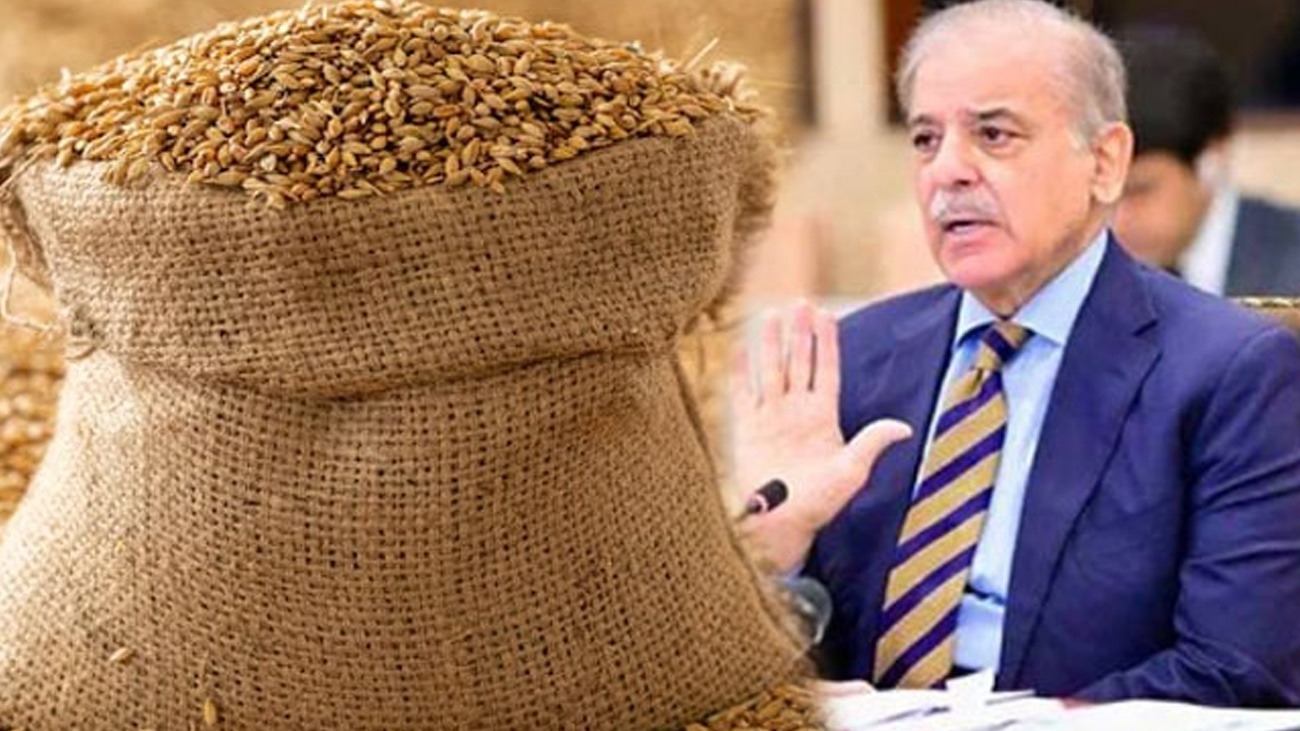 Agriculture plays an important role in Pakistan’s economy. Agriculture accounts for 23 per cent of the country’s GDP. In addition, the volume of agriculture-related products in the country’s income is up to 80 per cent. Agriculture also provides employment to about 42.3 per cent of Pakistan’s population. It is expected that the government will go the extra mile to double agricultural production as per the vision of Prime Minister Shehbaz Sharif. The federal government has approved the Wheat Policy 2025–26, and the procurement price of wheat has been fixed at Rs. 3,500 per 40 kg so that fair returns can be provided to farmers, national food security can be ensured, and strategic reserves can be maintained. According to an official statement, the federal and provincial governments will purchase about 6.2 million tonnes of wheat from the 2025–26 crop to establish strategic reserves. The purchase will be made at a fixed price of Rs 3,500 per 40 kg, with the aim of providing fair compensation to farmers and maintaining market stability. All restrictions on the movement of wheat between provinces have been lifted to ensure the availability of wheat across the country. A National Wheat Oversight Committee has been set up to monitor the implementation of the wheat policy, which will be chaired by the Federal Minister for National Food Security and includes representatives from all provinces. This committee will hold weekly meetings and report directly to the Prime Minister. In this regard, the Prime Minister said that wheat is the biggest source of income for farmers, all possible efforts are being made for the welfare and betterment of farmers, in addition, the government has removed the IMF’s reservations on the support price of wheat, the IMF had also raised objections to fixing the minimum support price in the wheat policy, after the approval of the wheat policy, the IMF had written a letter to the Ministry of Food Security and informed it. The IMF also sought the details of the wheat policy from the Ministry of Food Security. The IMF was told in response that the support price was not fixed; there was a misunderstanding. Instead of the minimum support price, an indicative price has been determined. The indicative price was derived by looking at the price of American international hard red wheat. Sources in the Ministry of Food Security said that the IMF raised the objection that the support price may have been fixed. The IMF’s objections were also shared with the Prime Minister’s House. The price of international hard red wheat in the US is $238 per ton. The price of international hard red wheat was estimated by adding landing costs in Karachi. Then the costs of bringing imported wheat from Karachi to Multan were also included. After deducting the costs of bringing imported wheat to Multan, the price was estimated at Rs 3,500 per maund. Pakistan is an agricultural economy, and the wheat crop is of key importance. Wheat is the staple food of the people of Pakistan. The government is well aware of the problems faced by farmers. Farmers are the backbone of Pakistan’s economy. All provincial governments and stakeholders were consulted for the wheat policy. Detailed consultations were also held with farmer organisations, industrialists and the farming community. On the basis of the consultations, the government is announcing the National Wheat Policy 2025-26. The objective of the National Wheat Policy is to ensure the profits of farmers while protecting public interests. The cooperation of provincial governments in developing a consensus-based policy will promote agricultural development, increase farmers’ income, and the policy will play an important role in ensuring food security for the people of Pakistan.According to the announcement, under the new wheat policy, farmers will be given a fair price, the government will purchase strategic stocks to ensure stable reserves and protection of farmers, the federal and provincial governments will acquire strategic reserves of about 6.2 million tons, the purchase will be made at Rs 3,500 per maund, according to the international import price of wheat, this measure will ensure fair price and profit to farmers while maintaining market competitiveness. It has been informed that there will be no restrictions on inter-provincial movement to ensure the availability of wheat. The federal minister will chair a national wheat monitoring committee, the committee will include representatives from all provinces, the committee will monitor the implementation and coordination of policy measures, the committee will hold weekly meetings and report directly to the Prime Minister. The task force established on the performance of the agricultural sector and ongoing reforms had briefed the Prime Minister. The Prime Minister had said that improving the productivity of the agricultural sector, value addition and increasing the exports of agricultural products are the top priorities of the government. A comprehensive long-term and short-term action plan should be presented for measures to provide modern agricultural machinery, quality seeds, geographical planning of crops and provision of loans to farmers on easy terms. The Prime Minister had directed that in order to increase the per-acre production of agricultural commodities, the research centres of the agricultural sector should be made more active, and modern research should be ensured under a public-private partnership in agricultural research centres.
The Prime Minister said that for the effective use of artificial intelligence and modern technology in agriculture, the services of internationally renowned experts should be utilised, and a plan of action should also be presented for the development of small and medium-sized agricultural industries for the production of export goods through the value addition of agricultural commodities. Steps should be taken to provide all kinds of guidance to farmers to cultivate profitable crops and make Pakistan self-sufficient in terms of food security. The Prime Minister said that the consultation process for suggestions with farmers and other stakeholders should be ensured, and links and cooperation with provincial governments should be further integrated for the development of the agricultural sector. Farmers should be assisted in adopting climate-resistant seeds and modern methods of agriculture to protect against the harmful effects of climate change. In view of the rains and other climatic changes, comprehensive planning should be done after detailed consultation with the provincial government for cotton cultivation in new suitable areas, especially in Sindh and Balochistan. Research and planning should be done to include vegetable fuels in the country’s energy mix. The meeting was presented with the production of major Rabi and Kharif crops last year, the problems faced by farmers, the future course of action and suggestions. The meeting was also briefed on the progress in implementing government reforms and the impact of climate change on agriculture. Prime Minister Muhammad Shehbaz Sharif, while addressing the ceremony of sending graduates to China for agricultural training, said that the plan to send agricultural graduates to China is not limited to agriculture alone, but the aim of such projects is to equip the youth of Pakistan with modern technology so that a country can be made free from debt and the dream of an independent state can be realized. Pakistan’s agriculture depends on the production of crops, livestock and poultry etc. Pakistan is one of the few countries in the world that has vast agricultural land. By developing Pakistan’s agriculture on modern production methods, not only can the agricultural sector be improved, but billions of dollars can be earned by properly utilising this important pillar of the economy.
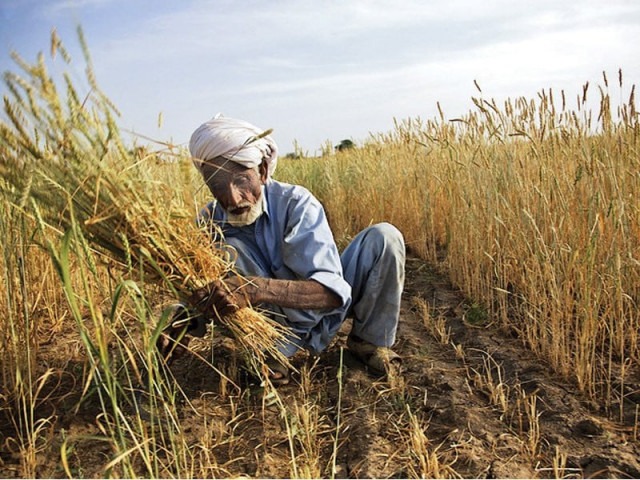
To ensure the welfare of farmers, the government needs to provide agricultural loans on easy terms, provide cheap fertilisers and high-quality seeds. In addition, policy formulation is also necessary to ensure fair prices for their crops for farmers. Prime Minister Muhammad Shehbaz Sharif has directed the Power Division to give comprehensive and effective policy-based recommendations to increase the country’s industrial production. In his special message on the occasion of National Farmers’ Day, Speaker National Assembly Sardar Ayaz Sadiq has said that farmers are the main pillar of Pakistan’s economy, without whose tireless work and sacrifices, national food security, agricultural self-sufficiency and rural development are not possible. He said that farmers work day and night to provide food for the nation and play a key role in the country’s economic stability, exports and rural employment. Pakistan is an agricultural country where millions of families depend on agriculture for their livelihood. He stressed that it is the primary responsibility of the state to provide farmers with modern agricultural facilities, quality seeds, a timely supply of fertilisers, equitable distribution of water, effective agricultural extension services and access to modern research so that agricultural production can be increased, costs can be reduced, and farmers’ income can be improved.
Speaker Sardar Ayaz Sadiq said that climate change, unpredictable rains, floods, drought and rising agricultural costs have become serious challenges for farmers. He said that comprehensive and effective policy making, promotion of the crop insurance system, farmer-friendly credit schemes, affordable energy, and use of modern agricultural technology should be made indispensable to address these issues. He further said that the Parliament is playing its full role in resolving the problems of farmers, sustainable development of the agricultural sector and rural prosperity through legislation, monitoring and effective policy measures. He reiterated the resolve that every possible step will be taken to protect the rights of farmers, improve access to markets and strengthen the agricultural value chain. The Speaker of the National Assembly said that the prosperity of farmers is actually the guarantee of national prosperity, and only by empowering farmers can Pakistan be made a strong, self-sufficient and prosperous state. Deputy Speaker of the National Assembly Syed Ghulam Mustafa Shah, in his message on the occasion of National Farmers Day, said that the welfare of farmers, agricultural development and stability of the rural economy are indispensable for the overall development of Pakistan. He said that a coordinated strategy, promotion of modern technology and implementation of farmer-friendly measures are necessary to solve the problems faced by the agricultural sector. The Deputy Speaker expressed his determination that the Parliament will continue to play its role seriously in protecting the rights of farmers and strengthening the agricultural sector. On the other hand, the first meeting of the National Oversight Committee for Wheat, established under the Interim National Wheat Policy 2026, chaired by Federal Minister for National Food Security and Research Rana Tanveer Hussain, was held at the Ministry of National Food Security and Research, in which provincial and regional secretaries for food and agriculture, as well as senior officers of relevant departments, participated. The meeting focused on the objectives of the Interim National Wheat Policy 2025–26 and its implementation framework. The Interim National Wheat Policy 2025–26 aims to transition from a state-dominated procurement system to a market-based wheat economy, ensure price stability through market-based index prices, and build and manage adequate strategic reserves to safeguard food security. The policy also aims to promote private sector involvement in wheat procurement, storage, and trade, reduce the fiscal and quasi-fiscal burden associated with wheat management, and promote free and competitive trade in Pakistan’s national wheat market. Furthermore, the policy provides flexibility to the provinces to design social protection systems according to their local needs. The federal minister urged the provincial governments to ensure full implementation of the Interim National Wheat Policy 2025–26 within their respective jurisdictions so as to protect the rights of wheat farmers and flour consumers.What will happen if rice, wheat and maize disappear? Climate change may have a negative impact on the wheat crop this season. There is a risk of a decrease in wheat production in Rawalpindi, Attock, Jhelum and Chakwal due to lack of rain for the last two months. There is a risk of a decrease in wheat production in the Pothwar region due to a lack of rain for the last two months. One-third of the wheat crop across the country is cultivated in rainfed areas. According to sources in the Ministry of National Food Security, there is a dire need for rainwater due to the lack of a canal system in these areas. The Ministry of National Food Security says that there is a risk of a negative impact on the wheat crop across the country due to a lack of rain in rainfed areas. If the wheat production target across the country is not met, wheat will have to be imported in the future. If there is no rain in the coming days, the negative impact on the wheat crop may increase. According to a new study, climate change could halve crop production in many countries, including Pakistan. Is Pakistan on the verge of food shortages and economic crisis? A new study published in the journal Nature Food Science in April 2025 warns that the production of four important food crops – rice, maize, wheat and soybeans – could fall by half in low-latitude regions due to climate change. These regions include several countries, including Pakistan, where the risk of food security and economic instability is increasing. Climate change is becoming a major challenge to the environment, economy and daily life around the world, with the most significant threat being food security. This study by scientists from Aalto University in Finland examined in detail the impact of climate change on 30 important food crops. According to the study, low-latitude regions, which are known for their agricultural diversity, are now losing their productivity due to global warming, unpredictable climate changes and the increasing intensity of natural disasters.
Experts have warned that if global temperatures continue to rise, the yield of 30 important crops in these regions could be reduced by half, leading to severe food shortages. According to research, a 1.5 degree Celsius increase in global temperature has significantly reduced the diversity of food crops. In many regions, the temperature suitable for local crops has now increased, making it difficult to grow crops that have been cultivated for centuries. The economic impact of the decline in agricultural production due to climate change is also serious. According to Muhammad Azeem, a research scholar at the Arid Agriculture University in Rawalpindi, the changing climate and changes in ecosystems have changed the priorities of agricultural markets. The research scholar said that in countries with a diverse food supply, farmers are being trained to grow new crops according to rising temperatures and to abandon unsuitable crops. However, he warned that the process is not that simple, as such changes require resources, research and policy support. The uncertainty of the seasons has made farming difficult. Earlier, there were four seasons in a year, and farmers used to sow and harvest crops accordingly. Now the seasons have their own temperament. Wheat used to be sown in early winter and harvested before April, but now the heat starts from March itself. Unexpected winds, storms and hailstorms have caused widespread damage to wheat crops. Maize is sown at the start of the monsoon in May and harvested in October, but now the monsoon has started from July, which is worrying farmers. Farmers are not being given any specific training to deal with climate change, due to which many young people are leaving agriculture and moving to cities. Agriculture is a source of livelihood for billions of people around the world, and it also provides economic growth and diversification in developing countries. However, rising temperatures, changing rainfall patterns and extreme weather events are rapidly changing the global food system, and these changes could put growth at risk.
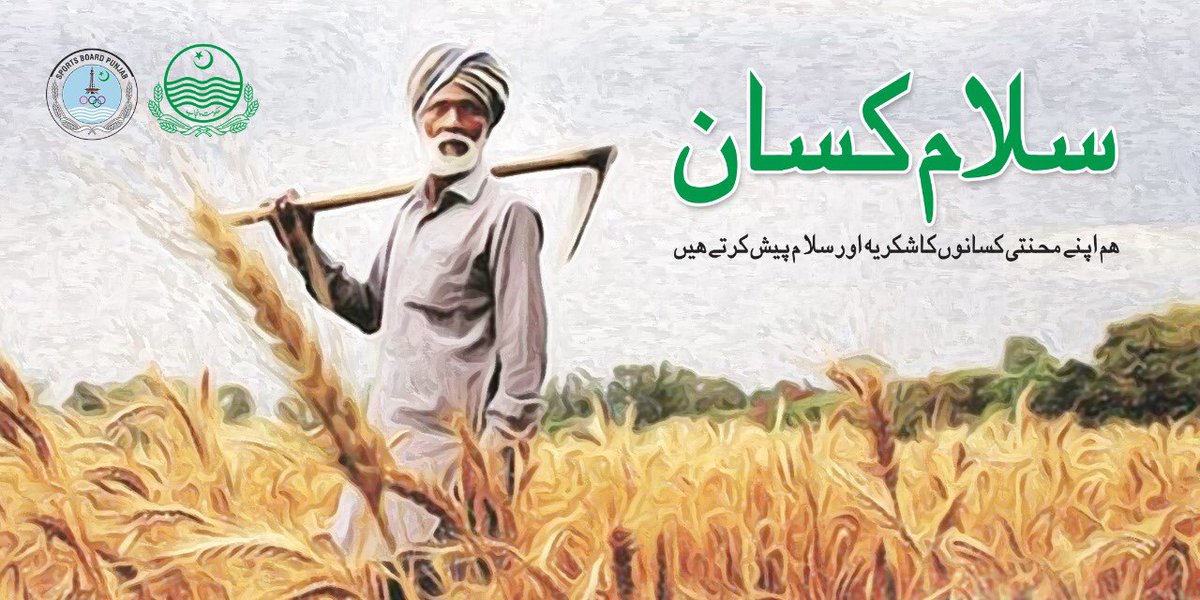
Pakistan’s export crops play a key role in stabilising foreign exchange reserves. For example, Pakistan exported 3.6 million tonnes of basmati rice in the first half of 2025, worth Rs 1.87 billion. However, changing weather patterns and the devastating floods of 2022 severely damaged rice production, destroying 6 million tonnes of the crop. Similarly, cotton production has halved in the past decade, a major blow to Pakistan’s textile industry. Farmers are struggling to understand which season to sow and harvest. According to the Climate, Energy and Water Resources Institute, the production of rainfed crops has decreased by six to 15 per cent due to the lack of rainfall. Wheat, Pakistan’s most important crop, has recorded a 15 per cent decline in wheat production. This decline is solely due to a lack of rainfall. Some industry stakeholders believe that the federal government may now hand over the responsibility of announcing the crucial agriculture budget to the provincial governments. Many believe that the allocation for the agriculture sector in the current fiscal year was too high when the government increased the Kisan package from Rs 1,800 billion to Rs 2,250 billion. The previous government believed that about Rs 2,000 billion was transferred to the rural economy through the package for further improvement of crops. Lack of allocation for subsidies can lead to further problems for ordinary farmers in purchasing fertilisers, pesticides, etc. The agricultural sector has been completely ignored in the federal budget. Pakistan is a country rich in natural resources for agriculture. We are proud of our ancient Indus Valley civilisation, which was based on agriculture. However, due to many factors including climate change, depletion of natural resources, increase in input prices, shortage of farm machinery and fluctuations in markets, the agricultural production sector in Pakistan is facing a lot of difficulties. Unfortunately, crop losses due to extreme weather conditions are becoming the norm in Pakistan. Therefore, mitigating climate change, reducing crop losses, improving production and increasing livelihoods are our major challenges. This is worrisome for a country that depends on wheat production, and this expected shortage is occurring at a time when global wheat supplies are uncertain, adding to our food security challenges in Pakistan. Let us pledge to work together, individually and collectively, to play our part in securing food for communities, societies and the world at large. Let us join forces to address the threats to food security posed by climate change.