
Islamabad (Digital Post) DPO Abid Ali Breaks a 13-Year Hold Over Khanewal Police Administration Writing

Share
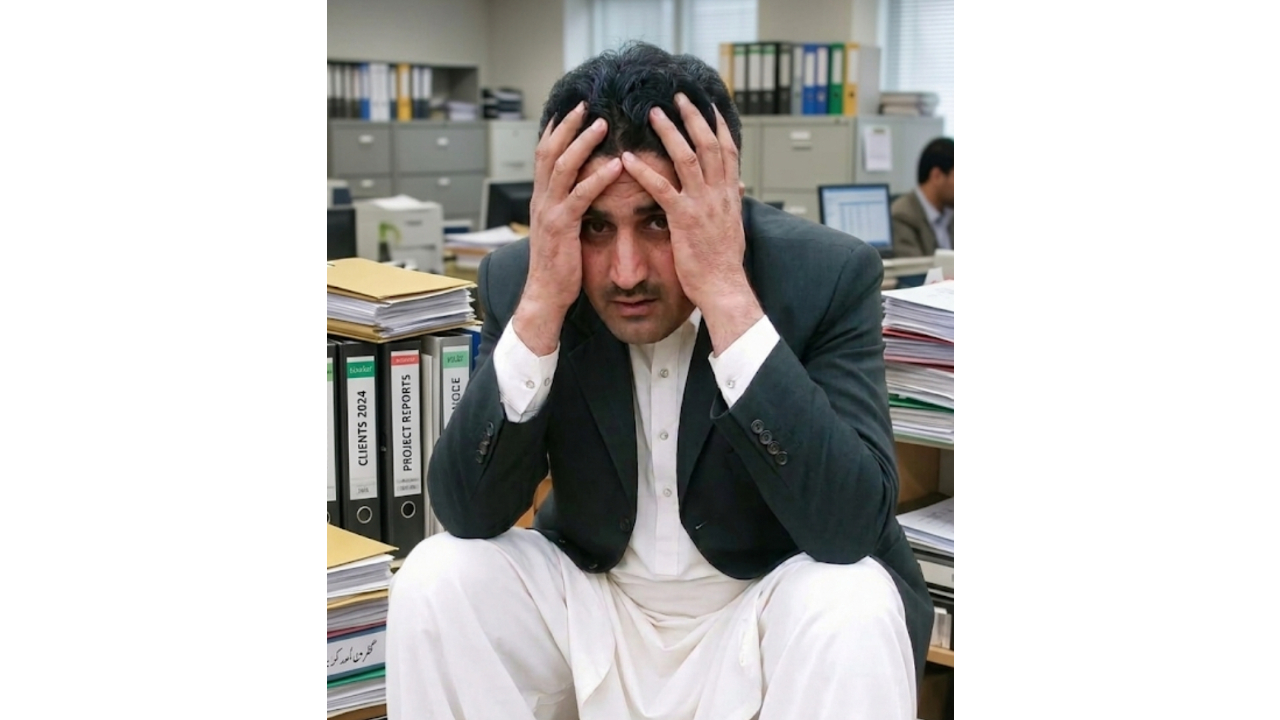
Islamabad (Digital Post) A major administrative shake-up inside the District Police Officer (DPO) Office in Khanewal has triggered intense discussion within Punjab Police circles after a long-serving stenographer was removed from his position following concerns raised through internal complaints and intelligence reports.
According to official and departmental sources, Muhammad Maqsood, son of Muhammad Yousaf, who had remained posted at the DPO Office Khanewal for more than 13 years, was recently removed from his assignment under orders issued by DPO Khanewal, . The development is being described by police insiders as one of the most significant internal administrative actions in recent years within the district’s policing structure.
Sources familiar with the matter said the decision was not made abruptly but followed a prolonged period of scrutiny involving internal monitoring, unofficial complaints, and observations regarding alleged irregularities within the office’s administrative system.
Muhammad Maqsood joined the police department as a stenographer on July 20, 2012, and was posted to the DPO Office Khanewal on Sept 18 of the same year. Since then, he had continuously served in the same office for more than 13 years — an unusually lengthy tenure for a sensitive administrative posting, according to former police officials and governance experts.
Officials familiar with departmental procedures said prolonged postings in sensitive offices often raise concerns regarding institutional transparency, administrative balance, and the emergence of informal influence networks.
Over time, police sources alleged that Maqsood’s role gradually extended beyond routine clerical responsibilities, with some officials privately describing him as part of an “informal influence structure” within the office. Sources claimed that matters relating to file movement, transfer summaries, and certain departmental inquiries increasingly revolved around a small circle of office staff rather than remaining confined to formal administrative channels.
Although no formal findings have yet been made public, several serving and retired officials acknowledged that concerns regarding unofficial influence and administrative interference had circulated within departmental circles for years.
Sources further alleged that complaints had occasionally surfaced regarding delays in certain departmental inquiries, while other matters were processed with unusual speed, prompting questions among police personnel. These concerns, officials said, eventually drew the attention of intelligence agencies.
Police insiders also linked Maqsood’s name to traffic administration matters, claiming he had at one stage acted as a focal person in licensing-related affairs. Allegations regarding irregular procedures and unofficial dealings in the issuance of driving licences reportedly surfaced from time to time, although no claims have been independently verified or formally proven.
The matter also reportedly involved questions surrounding the use of an officially allotted residential quarter. According to sources, the accommodation remained under his use for years under family residence provisions. However, no official inquiry findings relating to the residence have been released publicly.
Sources additionally claimed that informal complaints regarding workplace pressure and alleged harassment surfaced at different stages, although no formal written complaints were filed. Officials attributed this largely to fear of professional repercussions and the sensitive nature of the office environment.
Police observers believe the latest administrative action reflects broader structural issues rather than the conduct of a single official alone. Former officers said weak accountability mechanisms, prolonged postings, and entrenched informal networks often create parallel centres of influence within bureaucratic systems.
Civil society representatives, lawyers, and social activists have called for an impartial and transparent inquiry into the matter to determine whether any administrative misconduct, abuse of authority, or financial irregularities took place during the period in question.
Officials within the police department said the atmosphere inside the DPO Office Khanewal had noticeably changed following the removal, with many describing an unusual sense of silence and uncertainty within administrative circles.
While some officers view the move as a corrective administrative measure, others believe it may signal the beginning of wider institutional restructuring within the district police setup. Regardless of interpretation, the action has brought renewed attention to long-standing concerns regarding oversight, tenure policy, and accountability in sensitive government