

Khanewal (Digital Posts) Toxic Wheat Scandal Flood-Affected Stocks Reached Flour Mills; Alleged Collusion Exposed Amid Fear of Multi-Million Recovery

Share
Khanewal (Digital Posts) Toxic Wheat Scandal
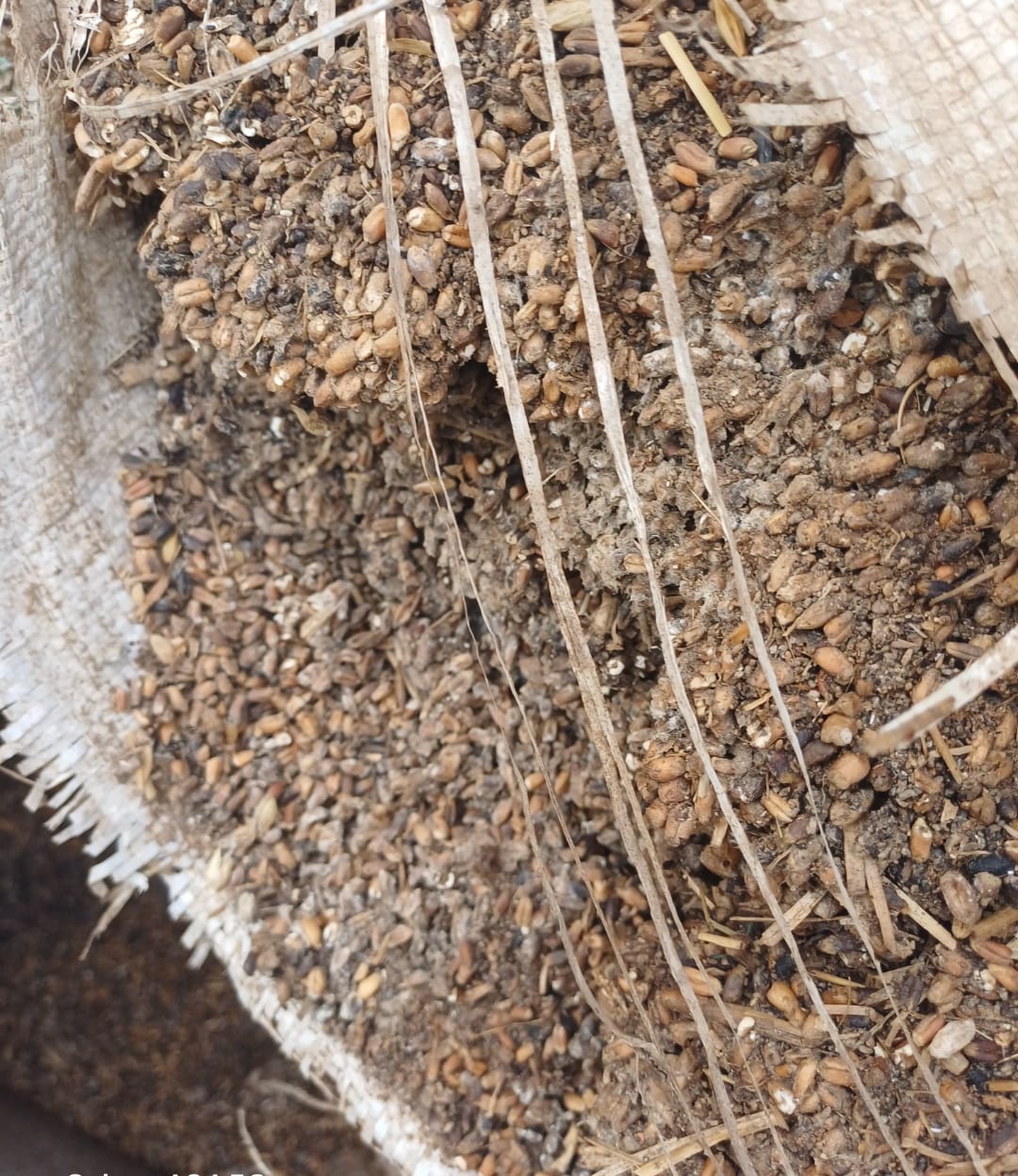
Flood-Affected Stocks Reached Flour Mills; Alleged Collusion Exposed Amid Fear of Multi-Million Recovery A shocking revelation from the district of Khanewal in Pakistan has sparked a wave of concern among citizens. According to sources, more than 100,000 kilograms of flood-affected and allegedly hazardous wheat were moved from Sardar Pur Food Center to the market through flour mills, while approximately 18,000 bags stored at Kot Islam and other centers are also claimed to have been supplied to various districts.
The matter became more serious when it emerged that in the past, identification of these same centers had led to transfers of senior officials of the Punjab Food Department, registration of cases, and recovery proceedings worth millions of rupees in Anti-Corruption cases. Despite cases being registered against the District Food Controller and the concerned inspector, the question remains: have the real responsible individuals not been reached?
Flood, Inquiry, and the Alleged “Game”
Sources state that a departmental inquiry was initiated last year following media reports. During this period, floods occurred, and it is alleged that the affected wheat was not shifted to a secure location, resulting in increased damage. Critics argue that this was not negligence but an alleged strategy to divert the direction of the ongoing inquiry.
Pressure on Flour Mills?
Some flour mills in Khanewal allegedly refused to lift the damaged wheat. However, reports suggest that later, specific quotas were issued to mills in Lahore, Sheikhupura, Gujranwala, Sialkot, and Faisalabad. It is claimed that hundreds of bags were provided per mill.
Public Health Risk?
Local medical experts warn that if fungus-infected or damaged wheat is mixed into flour, it can increase cases of food poisoning, diarrhea, and liver and kidney diseases. Reports have also been received of a rise in food poisoning cases in some areas; however, this has not been officially confirmed.
Laboratory Report and Policy Questions
According to sources, tests conducted in the Bahawalpur laboratory declared some of the stocks substandard. Under the policy of the Punjab government, such wheat may be auctioned, but it cannot be supplied to flour mills for human consumption. The question is: if the reports were negative, how and under whose orders was the supply made?
Official Position?
Repeated attempts were made to contact the Deputy Commissioner Khanewal, but no official response was received. The District Food Controller Khanewal stated that the wheat is being supplied to different cities.
Key Questions:
Was public health put at risk to avoid recovery of millions of rupees?
Were flour mills pressured into mixing damaged wheat?
Who is the real mastermind, and is he still holding office?
Public and social circles have demanded that the Chief Minister of Punjab order an immediate, transparent, and high-level judicial inquiry so that the facts may come to light and if anyone is found responsible, they should be brought before the court of law.
This matter is not just about corruption, but potentially a question of public health and human lives.