


Fateh Jang (Digital Posts) Beyond the Ballot: Insights from Sardar Habib Anwar Khan’s Victory in the Fateh Jang

Share
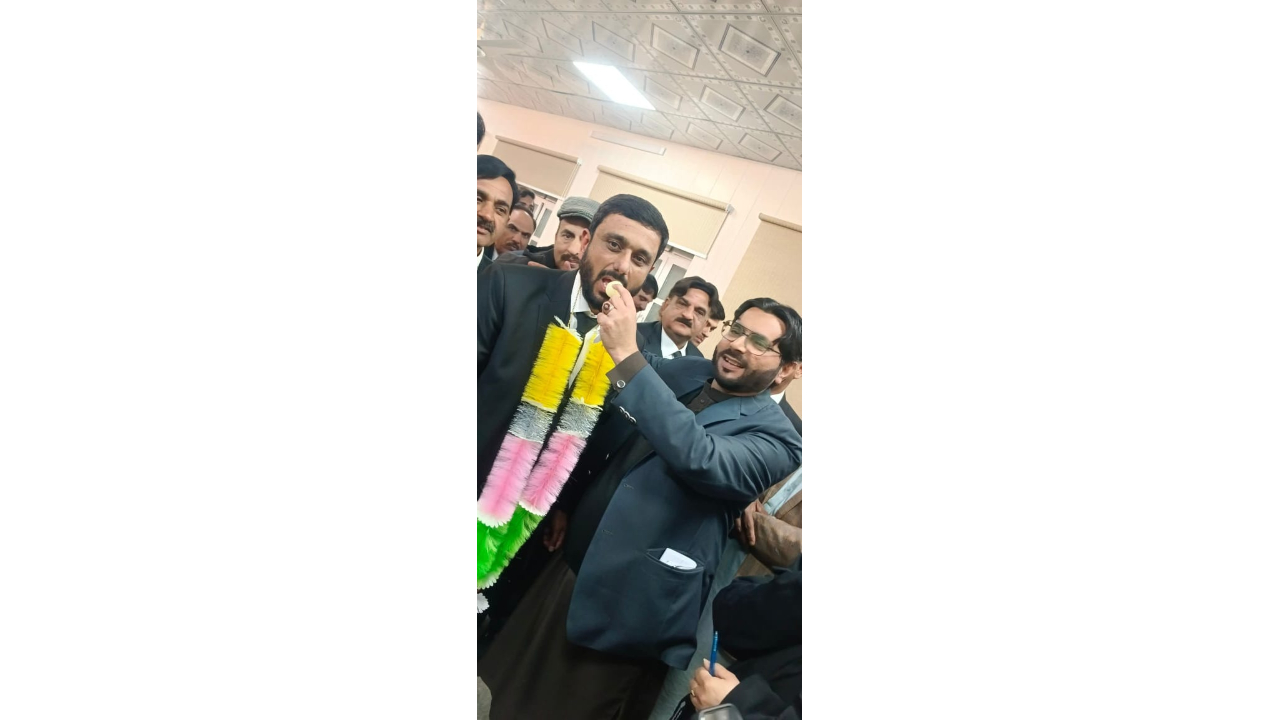
Fateh Jang(Digital Posts) Bar Elections The recent elections of the Fateh Jang Bar Association were far more than a routine contest for office; they reflected the evolving standards, collective judgment, and professional ethos of the legal community. In an environment often dominated by slogans and short-term visibility, the decisive victory of Sardar Habib Anwar Khan sent a clear message: leadership is measured by credibility, accessibility, and sustained dedication—not by rhetoric or factional affiliations. This outcome highlights a significant transformation in how the bar now evaluates authority, responsibility, and public trust.
The Fateh Jang Bar is composed of a discerning, dynamic, and informed legal community, where votes are cast after careful consideration of candidates’ professional record, courtroom conduct, and future vision. Elections here are determined not by flashy campaigns or temporary popularity but by sustained performance, ethical standards, and proven reliability. Sardar Habib Anwar Khan met and exceeded these criteria, making his victory a reflection of collective confidence rather than mere electoral happenstance.
Sardar Habib Anwar Khan is no stranger to the legal arena. His years of consistent practice, measured judgment in court proceedings, and respectful engagement with peers have established him as a dependable and thoughtful leader. His continuous presence in both the bar room and courtroom—well before the campaign and continuing afterward—demonstrated accessibility, genuine commitment, and a hands-on approach to the issues affecting his colleagues. This consistency reinforced his image not merely as a candidate but as a dedicated advocate for the bar community as a whole.
A cornerstone of his campaign was its practical and realistic agenda. Instead of relying on exaggerated promises or confrontational tactics, he focused on initiatives that directly addressed the everyday challenges of the legal fraternity. His platform included improving bar room facilities, providing professional training and mentorship for young lawyers, enhancing coordination between lawyers and court staff, and fostering respectful bar–bench relations. These proposals were concrete, actionable, and aligned with the community’s professional needs, distinguishing his vision from that of his competitors.
A key factor in his success was his engagement with young lawyers, whose influence in bar elections has grown steadily in recent years. Recognizing their concerns—limited access to chambers, a shortage of training opportunities, and the need for mentorship—he actively sought their input and ensured their voices were heard. This approach cultivated trust and fostered widespread support among the younger cohort, which proved decisive in his electoral triumph.
Equally notable was the professionalism and restraint of his campaign. He refrained from personal attacks or inflammatory rhetoric, choosing instead to communicate his vision through clarity of purpose, consistent conduct, and a demonstrated record of competence. The electorate responded positively to this dignified approach, underscoring that the bar increasingly values integrity and measured leadership over performative tactics and loud campaigns.
The weaknesses of opposing candidates also contributed to his victory. Some failed to present a coherent agenda, while others were hindered by internal divisions or inadequate preparation. In contrast, Sardar Habib Anwar Khan’s consistency, calm demeanor, and clear vision filled these gaps, winning over undecided voters and consolidating his support base.
Beyond the immediate electoral outcome, his victory sends a broader message about the political and professional maturity of the Fateh Jang Bar. It demonstrates that leadership is no longer assessed on superficial grounds; rather, qualities such as professionalism, integrity, continuity, and responsibility now define who is deemed fit to guide the bar. His triumph affirms that practical results, ethical conduct, and a commitment to inclusivity carry far greater weight than empty slogans or temporary popularity.
Looking ahead, the real measure of this mandate will lie in how effectively he translates this collective trust into tangible improvements for the bar community. Nevertheless, the election itself already conveys a powerful lesson: the Fateh Jang Bar is redefining leadership, emphasizing conduct, accountability, and substantive action over rhetoric and symbolic gestures. Sardar Habib Anwar Khan’s success exemplifies the kind of leadership that earns respect, fosters trust, and unites a professional community behind a common purpose.
This election is not merely a personal achievement but a milestone for the entire bar, signaling a shift toward a more responsible, inclusive, and professional culture. It demonstrates that integrity, decorum, and sustained commitment are recognized and rewarded within the legal fraternity, setting a precedent for future leadership. In an era where transient popularity often overshadows capability, his victory reinforces the enduring value of consistency, ethical conduct, and genuine engagement with the community.
In sum, Sardar Habib Anwar Khan’s triumph in the Fateh Jang Bar elections is the result of sustained professional credibility, continuous presence, practical vision, engagement with younger members, and a campaign grounded in ethics and dignity. It is a reflection of a bar that has matured in its approach to leadership, valuing responsibility, professionalism, and trust over rhetoric and factional politics. While the effectiveness of this mandate will be tested in the months ahead, the message is already clear: the Fateh Jang Bar now recognizes and rewards leadership defined by substance, integrity, and a genuine commitment to collective progress.