


Khaniwal (Digital Post) Rajput Officers: Guardians of Integrity and Public Trust

Share
Khaniwal (Digital Post), under the blazing sun of summer, bore the scars of recent floods. Markets lay deserted, dust covered windows, and broken roads and partially damaged shops reflected the devastation that ordinary citizens were struggling to navigate. In such an environment, the role of principled, ethical, and courageous leadership becomes not just important but vital. Leadership in Pakistan’s local administration often faces challenges from natural disasters, bureaucratic inertia, and public expectations. Yet, Rajput officers have historically demonstrated the resilience and commitment required to meet these challenges, serving as exemplars of discipline, courage, and public service.
 —
—
Leadership Rooted in Tradition
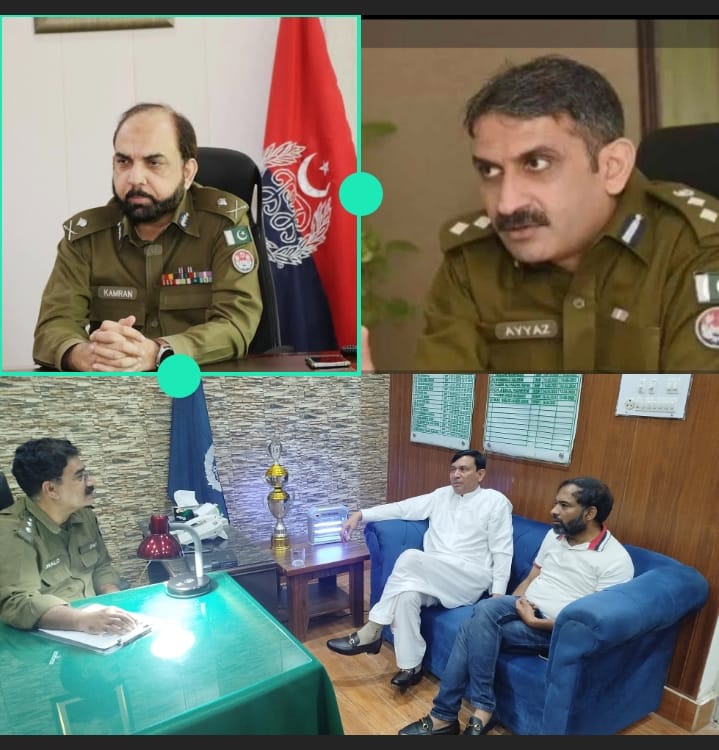
Stepping into the office, one immediately senses the weight of responsibility and the culture of order. Sunlight streams through the window, illuminating shelves, desks, and a prominently displayed trophy—a symbol of recognition, achievement, and pride. Even minor routines—like serving tea—are performed with precision and courtesy, reflecting the ethical and cultural ethos deeply embedded in Rajput lineage.
DSP Khalid Javed Joia, renowned for his calm authority and principled approach, instructed his staff: “Serve the tea to our guest first.” These words are more than etiquette; they encapsulate a centuries-old tradition of respect, decorum, and service. Every action in the office reflects a continuity of ethical governance, where personal integrity and public service are inseparable.
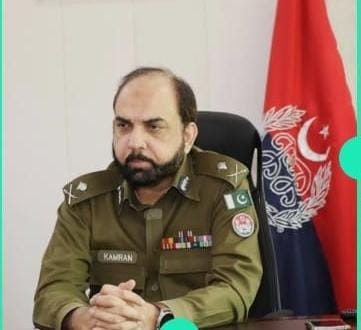
In December 2024, I experienced this firsthand. Seeking assistance for a personal matter, I contacted Mohammad Kamran Khan, Additional IG South Punjab. Within hours, he not only listened attentively but coordinated effectively with DPO Attock Sardar Ghias Gul Khan, ensuring the matter was resolved promptly. This demonstrated the enduring qualities of Rajput officers: honesty, prompt action, and an unwavering commitment to duty.
—
Continuity Across Generations
Similarly, Ayaz Saleem Rana treats every assignment as his personal responsibility. Each decision reflects fairness, courage, and adherence to principles that have been passed down through generations. Rana Umar Farooq embodies the same ethos, consistently prioritizing public welfare while maintaining strict adherence to institutional guidelines.
These contemporary examples echo a deep historical lineage. Rajput officers inherit values that trace back to medieval times, demonstrating that leadership is a blend of courage, loyalty, discipline, and service. These qualities are not only abstract ideals but practical tools for effective governance, ensuring that citizens’ rights and welfare are protected.
—
Historical Perspective: Raja Dahar and the Rajput Legacy
The Rajput ethos is rooted in history. Raja Dahar, the last Hindu ruler of Sindh, exemplified courage, loyalty, and principle by sacrificing his kingdom to preserve the welfare of his people rather than surrender them to invaders. This narrative resonates with the contemporary Rajput officer, who balances duty with moral responsibility. Just as Raja Dahar’s decisions reflected long-term vision and ethical courage, today’s officers uphold the same principles in administrative governance.
Similarly, the tales of Rajput valor in resisting invaders, protecting communities, and maintaining social order are preserved in the collective consciousness. These narratives are not merely stories; they inform the DNA of officers like Khalid Javed Joia, Shahid Joia, Mohammad Kamran Khan, and Ayaz Saleem Rana, shaping their leadership style and decision-making.
—
Rajput DNA in Modern Governance
The traits embedded in Rajput DNA—courage, integrity, fairness, hospitality, social responsibility, and public service—remain highly relevant. In modern Pakistan, these qualities are critical for building public trust, ensuring stability, and promoting ethical governance. Officers trained in this lineage act decisively during crises, maintain impartiality, and balance law with moral responsibility.
Historical continuity is evident in how these officers manage disaster relief, law enforcement, and public administration. Whether dealing with flood victims in Khaniwal or mediating complex administrative disputes, the principles of service, ethics, and courage guide their actions. This creates a culture where leadership is synonymous with accountability and integrity.
—
Case Studies in Ethical Leadership
The December 2024 incident illustrates this vividly. When approached for assistance with a personal matter, Mohammad Kamran Khan acted swiftly, coordinating across departments to deliver resolution. Ayaz Saleem Rana exemplified similar efficiency in handling sensitive cases, demonstrating that ethical leadership is not only inherited but actively practiced. Rana Umar Farooq continues to prioritize the welfare of citizens in challenging circumstances, reflecting the same unwavering commitment to duty and fairness.
—
Lessons for Contemporary Society
In a society facing growing administrative challenges, the Rajput model offers a clear template: leadership grounded in ethics, informed by tradition, and oriented toward public welfare. The actions of these officers confirm that integrity, accountability, and service are timeless pillars of governance. They prove that principled leadership can coexist with administrative efficiency, and that historical legacy remains a vital resource for modern governance.
—
Conclusion: A Living Legacy
Rajput officers demonstrate that leadership is a living tradition, not merely a title or position. From DSP Khalid Javed Joia to Mohammad Kamran Khan, Shahid Joia, Ayaz Saleem Rana, and Rana Umar Farooq, their commitment to public service and ethical decision-making provides a template for both contemporary governance and future generations.
This living legacy reminds us that integrity, courage, and fairness are essential for societal stability and trust. It illustrates that the values of discipline, service, and ethical responsibility—rooted in centuries of Rajput tradition—remain indispensable in shaping effective, principled governance in Pakistan today.
In essence, the Rajput officer cadre represents a rare fusion of history, ethics, and practical leadership—a standard that modern administration can emulate to ensure integrity, justice, and sustainable progress.
—