

ISLAMABAD (Digital Posts) World Tourism Day: A Vital Means to Highlight Pakistan’s Positive Image

Share
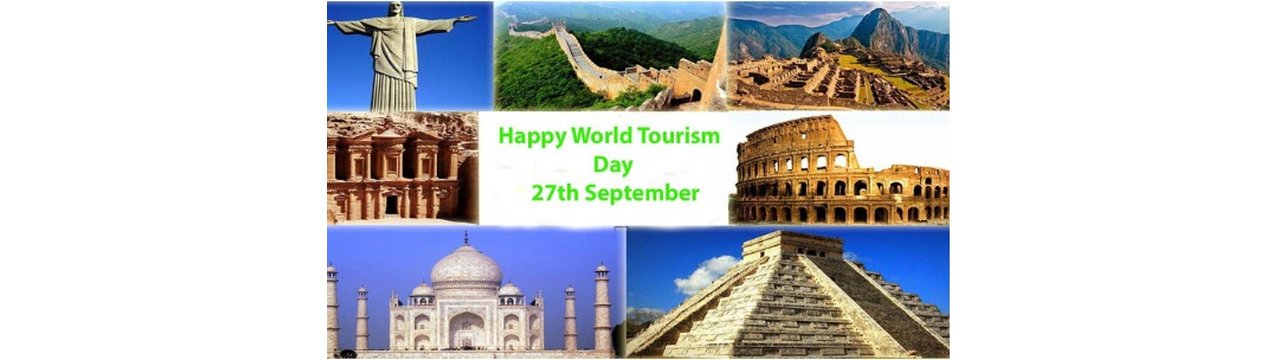
ISLAMABAD (Digital Posts) Tourism is a crucial driver of the national economy, employment generation, and the projection of a positive image of Pakistan. It would not be an exaggeration to say that tourism is not merely about visiting mountains and valleys; it is a bridge that connects hearts. It is often said that a country’s borders define its geography, but its cultural and tourism-related beauty defines its soul.
On the global map, Pakistan is a fortunate nation; nature has not only endowed it with strategic importance but has also crafted its land into a masterpiece of beauty, diversity, and history. In today’s modern era—where global media and propaganda play a pivotal role in shaping or tarnishing a nation’s image—tourism has transcended mere recreation. It has evolved into a potent diplomatic tool for projecting “soft power” and restoring national identity. For Pakistan—a country that has paid a heavy price due to the war on terror and negative propaganda in the past—promoting tourism offers a golden opportunity to showcase its true, peaceful, and beautiful face to the world.

Pakistan’s geographical diversity holds a magnetic appeal for tourists across the globe. From the sky-high peaks of the Hindu Kush, Karakoram, and Himalayas—including K2, the world’s second-highest summit—to the enchanting valleys of Hunza, Swat, Chitral, and Kaghan; from the long, serene coastline of Balochistan to the mesmerizing deserts of Cholistan and Thar—all these elements combine to create a canvas unparalleled anywhere else in the world. When a foreign tourist travels along the roads of Gilgit-Baltistan or experiences the traditional hospitality of the local people in Hunza, they are not merely viewing landscapes; they become eyewitnesses to Pakistan’s peace, love, and cultural maturity. This is the very point where the long-standing negative narrative against Pakistan begins to unravel. The appeal extends beyond natural scenery; Pakistan is also a major hub for religious and historical tourism. Sites like Mohenjo-daro and Harappa—custodians of the millennia-old Indus Valley Civilization—along with the Gandhara art masterpieces of Taxila and the exquisite Mughal architecture of Lahore, beckon historians from across the globe. Furthermore, the establishment of the Kartarpur Corridor, the sacred Sikh sites in Nankana Sahib and Hasan Abdal, and Buddhist relics in Taxila and Swat highlight Pakistan’s global image as a nation that fosters religious harmony and respects minorities. When thousands of Sikhs or followers of Buddhism from India, Canada, the UK, and other nations visit Pakistan and receive complete security and respect, they return to the world as ambassadors of peace for the country. International media has often portrayed Pakistan merely as a nation grappling with security issues. The only way to shatter this outdated perception is to invite the world to visit and see the reality for themselves; in recent years, social media and platforms like YouTube have revolutionized this process. When globally renowned bloggers like Eva zu Beck, Drew Binsky, and Mark Wiens traveled across the length and breadth of Pakistan—praising its cuisine and hailing its people as the “most hospitable” in the world—the impact was far deeper and more enduring than any multi-billion-dollar advertising campaign. Their videos revealed to the world that Pakistan is a safe, vibrant country brimming with a zest for life. From an economic perspective, tourism has the potential to serve as a lifeline for Pakistan’s economy. Not only is this sector a rapid source of foreign exchange earnings, but it also generates millions of local employment opportunities. In remote areas of Gilgit-Baltistan, Azad Kashmir, and Khyber Pakhtunkhwa—where establishing industries is unfeasible—tourism remains the sole economic mainstay for the local population. Sectors such as the hotel industry, transportation, handicrafts, and tour guide services are directly linked to tourism. When the local population achieves economic stability, it moves towards education and progress; this naturally eradicates extremism within society and enhances the country’s image both domestically and internationally. However, fully harnessing this potential requires serious measures and long-term policies. The foremost challenge lies in infrastructure. Access roads to tourist destinations, the availability of quality yet affordable hotels, and internet and communication facilities must all be upgraded to meet international standards. While the road networks developed under CPEC have significantly aided this effort, much work remains to be done. Another crucial aspect is “sustainable tourism”—specifically, environmental preservation. We must ensure that the influx of tourists does not pollute the environment of our beautiful valleys and that their natural beauty remains intact. Achieving this requires raising tourist awareness alongside strict regulations.The promotion of tourism in Pakistan is no longer confined to just a few locations; it has expanded into diverse new sectors such as adventure, eco-tourism, culture, and coastal tourism. Towering peaks like K2 and Nanga Parbat, along with challenging treks like the Baltoro Glacier, have always held a magnetic appeal for mountaineers worldwide, while international winter sports and skiing competitions in Malam Jabba and Naltar have given a new identity to winter tourism. Simultaneously, eco-tourism is being promoted alongside the conservation of the natural environment and wildlife; key sites in this regard include Deosai National Park (home to the world’s second-highest plateau), Khunjerab National Park (habitat of the Markhor), and Balochistan’s Hingol National Park. For coastal tourism enthusiasts, the Makran Coastal Highway, Kund Malir Beach, and Astola Island (near Gwadar) are rapidly gaining popularity due to their pristine, sapphire-clear waters. Furthermore, Pakistan’s cultural diversity is captivating tourists; events such as the historic Shandur Polo Festival, the Kalash Valley’s Chilam Joshi festival, and the Cholistan Jeep Rally attract cultural tourists from across the globe, while Lahore’s Fort Road Food Street and Peshawar’s Namak Mandi have become favorite destinations for international food bloggers. To harness this full potential, the government has introduced revolutionary changes to its visa policy, extending online e-visa and visa-on-arrival facilities to citizens of over 100 countries. Simultaneously, digital portals now provide tourists with hotel booking options and security guidelines at the click of a button, ensuring Pakistan projects a safe and dynamic image to the world. Tourism serves as the backbone of Pakistan’s economy, contributing approximately 5.9 percent to the national GDP. According to recent reports by the Federation of Pakistan Chambers of Commerce and Industry (FPCCI) and the World Travel & Tourism Council (WTTC), this sector supports over 4.7 million jobs nationwide, with export earnings exceeding $1.15 billion. A major economic advantage of tourism is its role as a rapid generator of foreign exchange; the revenue it generates flows directly into remote, underdeveloped areas through the hotel industry, transport networks, local handicrafts, and tour guide services, thereby strengthening local economies. Skardu and Gwadar have emerged as two major—and distinct yet vital—hubs for Pakistan’s tourism and economic development; the Gilgit-Baltistan region, in particular, has established itself as a global center for adventure and mountaineering tourism. The government has launched a major project worth PKR 180 million to upgrade Skardu International Airport in collaboration with the Swiss firm ‘Entire Plan,’ resulting in a historic surge in the arrival of domestic and international tourists. More than 80 percent of Skardu’s economy relies directly on tourism. Hundreds of thousands of tourists visit the region for cherry blossom tours in the spring, as well as for K2 Base Camp trekking and excursions to Deosai National Park during the summer. This influx has led to the establishment of hundreds of local guesthouses, hotels, and jeep transport networks, creating excellent employment opportunities for the youth of Gilgit-Baltistan. Gwadar (Balochistan): While Skardu serves as a hub for mountain tourism, Gwadar holds the key to Pakistan’s economic future due to its strategic location and potential for coastal tourism. The development of Gwadar Port under the China-Pakistan Economic Corridor (CPEC) has not only boosted commercial activities but also opened new avenues for coastal tourism. Attractions such as the Makran Coastal Highway, the stunning vistas of Hammerhead, the pristine beach of Kund Malir, and Astola Island—renowned for its azure waters—are becoming major draws for domestic and international tourists. Development-related investments in Gwadar have improved infrastructure across Balochistan, and the city possesses immense potential to contribute billions of dollars to the national economy in the future through resorts and cruise tourism.Furthermore, we must activate “tourism diplomacy” at the diplomatic level. Pakistani embassies across the globe should streamline the process of obtaining tourist visas and regularly host exhibitions showcasing Pakistan’s culture, handicrafts, and natural beauty. In this era of digital media, the government ought to launch a global portal and mobile app that allows anyone, anywhere in the world, to plan a trip to Pakistan, make bookings, and access security guidelines with just a single click. The Pakistan of today is changing; it is no longer a nation plagued by terrorism but an emerging hub of peace, the revival of cricket, and global tourism. When Pakistan shines on the map of international sports and tourism, the world is compelled to witness the true colors of this land. It is essential for the state, the media, and the public to work together as a unified team. We must cultivate greater flexibility, hospitality, and a commitment to cleanliness in our attitudes, for every Pakistani serves as a brand ambassador for this country. Ultimately, it is fair to say that tourism is not merely about visiting mountains and valleys; it is a bridge that connects hearts. When a foreigner sets foot on Pakistani soil, tastes the local tea, listens to Sufi music, and experiences the warmth of our smiles, they cast aside all negative propaganda and become an admirer of Pakistan. This is the positive image Pakistan needs, and this is the path that can elevate us to the ranks of the world’s leading peaceful and developed nations. Pakistan’s beauty is unparalleled; now, it is our responsibility to captivate the world with this beauty.